
Do Whole Home Generators Require Lifestyle Changes?
Backup power changes the way a home behaves during outages, but it does not always require families to change how they live. Many people assume that installing a whole house generator means learning new routines, limiting appliance use, or adjusting everyday habits. In reality, lifestyle changes depend on the type of system, the home’s electrical setup, and how seamlessly the generator integrates with normal operations.
Modern solutions—such as the Anker SOLIX E10 with Power Dock—aim to keep routines intact by responding instantly, supporting entire home panels, and scaling to real household demand. Understanding what does and does not change helps families adopt backup power without stress or confusion.
How Expectations Shift After Whole-Home Backup Installation
Household Routines Often Become More Confident and Predictable
Many homeowners expect a lifestyle shift because of backup power, but the opposite usually happens: routines become more stable. Families no longer rush to finish cooking before severe weather, worry about food spoilage, or scramble to find flashlights during outages. Children maintain their schoolwork; remote workers stay online without interruption; appliances run as usual.
A system that activates in ≤20ms, like the E10, prevents disruptions before anyone notices them. Instead of adjusting routines around outages, households continue their activities normally. This sense of continuity becomes one of the most significant lifestyle benefits. Homeowners often report that their anxiety about storms, grid failures, or nighttime outages decreases dramatically. Predictability, not sacrifice, becomes the new norm, and daily life continues without the sudden pauses that used to define severe weather events.
Families Rely Less on Emergency Preparation Behaviors
Before having whole-home backup, families often adopt “storm rituals”—charging devices, lowering thermostats pre-emptively, filling bathtubs, and cooking meals early in case power disappears. These habits fade once a reliable system takes over the burden of preparation. The E10’s battery capacity, optional solar input, and synergy with a smart whole house generator reduce the need for manual planning.
When outages occur, the transition is automatic. When longer interruptions happen, solar harvesting or generator support keeps the home powered without emergency steps. Lifestyle becomes less about anticipating disaster and more about maintaining normal comfort. Instead of constant preparation, families shift toward assurance. People stop modifying their schedules around the grid because their home stops depending entirely on it.
Appliance Use Starts Feeling Unrestricted Instead of Limited
One common misconception is that whole-home backup means families must carefully ration power during outages. That may be true with small portable systems, but whole-home platforms support heavy loads, including HVAC systems. The E10’s surge capability supports 5-ton air conditioners and other high-demand appliances, which means families do not adjust their comfort standards during storms.
They can cool or heat their home, use kitchen appliances, run medical devices, and maintain security systems just as they would during normal grid operation. The idea of “being careful with electricity” during an outage becomes irrelevant because the home continues functioning at full capacity. The psychological shift is notable: instead of walking around turning switches off, families feel confident leaving their routines untouched.
What Actually Changes After Installing a Whole-Home Generator
Homeowners Become More Aware of Their Energy Landscape
Although daily life becomes easier, homeowners often develop a better understanding of how their home uses power. Monitoring tools, backup triggers, and system dashboards make people more conscious of patterns they never noticed before. This awareness rarely feels restrictive. Instead, it leads to smarter energy choices, greater interest in solar integration, and improved efficiency.
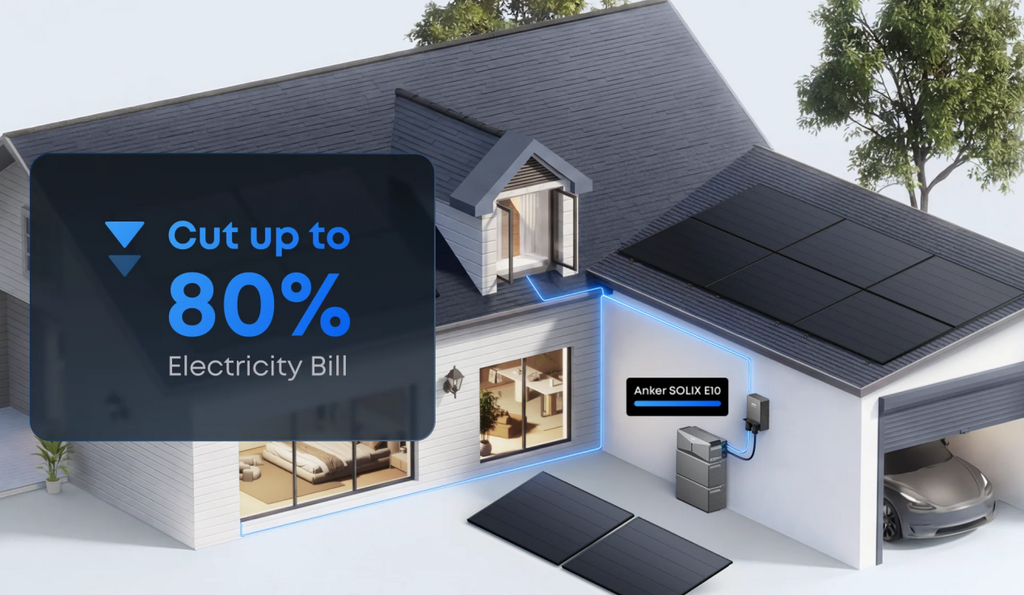
The E10’s support for solar harvesting encourages homeowners to diversify their energy sources, lowering bills by up to 80%. Awareness does not equal sacrifice. People simply gain a clearer picture of how their home behaves, which often leads to more intentional—but not limiting—habits. For many families, this is the most empowering lifestyle shift.
See also: How Technology Expands Research Capabilities
The Home’s Relationship With Weather and the Grid Changes
Installing whole-home backup alters how families perceive extreme weather. Instead of treating storms as threats to comfort and safety, homeowners view them as manageable disruptions. The house remains warm or cool, food stays fresh, electronics stay online, and security systems stay active. The E10’s protection against power-return surges keeps sensitive appliances safe, which reduces the stress that typically comes with unstable grid conditions.
Families no longer “brace themselves” for outages. They simply trust the system to respond instantly and autonomously. This shift changes attitudes more than routines. The home becomes a self-reliant environment, capable of supporting the family even when the outside world becomes unreliable.
Some Homeowners Adopt Small Preventive Habits for Long Outages
While daily life generally does not change, certain households choose to adopt simple habits to maximize long-term resilience. These habits are optional rather than required.
Families may choose to:
• check app dashboards to monitor storage levels
• schedule maintenance checks proactively
• pair their system with rooftop solar to stretch backup duration

None of these habits represent lifestyle sacrifices. Instead, they reflect a desire to get more value from the system. The E10 makes these steps easy with plug-and-play expansion, stackable batteries, and smart generator integration. For most households, the only true change is becoming more intentional about energy resilience—not more restricted.
Conclusion
Whole-home generators do not require families to change their lifestyle; they allow them to protect it. Most households find that routines become more stable, comfort becomes more reliable, and emergency preparation becomes far less stressful. Modern systems like the Anker SOLIX E10 with Power Dock minimize manual effort, support heavy appliances, and deliver backup power instantly.
Instead of rationing electricity or adjusting schedules, families often live more freely because outages no longer disrupt daily life. Any changes that do occur are usually positive: improved awareness, increased efficiency, and greater confidence during extreme weather. A well-designed whole-home backup system preserves normal living—no lifestyle trade-offs required.