What Charging Habits Work Best With Camp Solar Panels?
Charging with solar power during a camping trip works best when you build habits that match the rhythm of sunlight. Solar energy changes throughout the day, and panels deliver the strongest performance when campers learn how to position, schedule, and manage power in ways that align with natural conditions. A portable model such as the Anker SOLIX PS200 Portable Solar Panel supports these habits because it offers high-efficiency monocrystalline cells, four adjustable angles, IP67 waterproof durability, and a foldable structure that suits mobile outdoor routines. Once campers understand how to align their behavior with sunlight, they get steady and predictable off-grid power.
Daily Habits That Improve Solar Charging Efficiency
Early Setup Helps Capture More Usable Light
Morning sunlight often begins weakly but becomes strong quickly, especially in open areas. Campers who set up their panels early collect more total energy throughout the day, even if the first hour produces only modest output. The Anker SOLIX PS200 Portable Solar Panel works well for early placement because its 30°, 40°, 50°, and 80° angle settings allow campers to match the lower morning sun without improvising support. By starting early, you give the panel more hours to gather direct sunlight, which provides more consistent charging for devices such as lamps, GPS units, or a mini fridge. This habit also reduces pressure later in the day when campers move between activities and may not find long windows of uninterrupted light. Early placement creates a solid baseline of stored energy and simplifies power management.
Frequent Repositioning Maintains Strong Output All Day
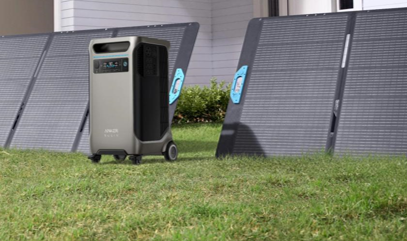
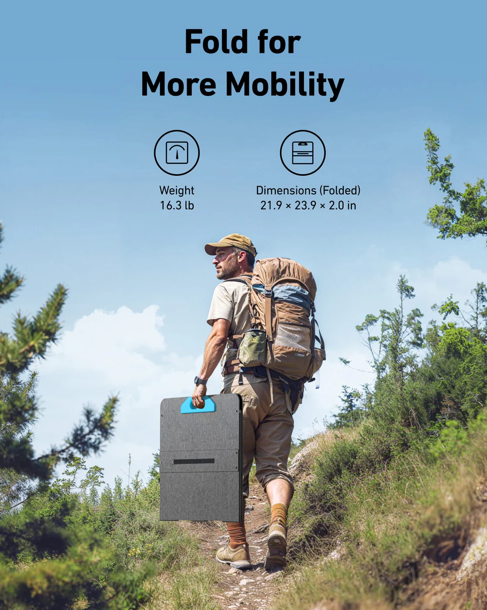
Sunlight shifts constantly as the day progresses. Shadows move, sun angles change, and terrain variations influence how much light reaches the camping solar panels. Campers who reposition their solar panel every so often—whether to avoid shade, adjust the angle, or move closer to clear sky—achieve far stronger output than those who keep the panel in one place. The PS200’s portability supports this habit because it folds easily and weighs 16.3 lb, making relocation manageable even during long camp days. It’s included MC4 cables allow flexible placement away from tents or trees. When you reposition regularly, you maintain full exposure and avoid losing hours of productivity to passing shadows. This habit turns sunlight into a continuous resource rather than something you rely on only during peak hours.
Matching Device Charging to Peak Sun Hours Strengthens Results
Peak sun hours usually fall between late morning and early afternoon when sunlight hits the panel most directly. Campers who schedule charging sessions during these times get better results with fewer surprises. Strong light boosts output, allowing the panel’s monocrystalline cells to work at higher efficiency and shorten total charging time. The PS200 performs especially well during these intense sun periods thanks to its sunlight-trapping surface and optimized cell structure. Planning your highest-need charging sessions—such as topping up a power station or running a higher-draw appliance—during peak hours ensures smoother results. This habit reduces reliance on weak morning or late-day light and gives campers a reliable window for meeting heavier demands.
Power Management Habits That Enhance Overall Performance
Prioritizing Essential Devices Ensures Reliable Availability
During camping trips, not all devices require equal attention. Navigation tools, communication equipment, lights, and refrigeration matter more than entertainment items or secondary electronics. Campers who prioritize charging essential gear maintain a much more stable energy supply. A panel like the PS200, with its 200W solar input power, supports this style of prioritization because it delivers enough output for critical tools when light is strong. By deciding which items receive power first, campers avoid unnecessary drains and make the most of shorter charging windows. This habit also encourages thoughtful energy allocation, turning solar into a reliable backbone of the trip rather than a backup plan. When you think strategically about which devices receive power at which times, your gear remains dependable throughout the journey.
Reducing Idle Consumption Helps Extend Available Energy
Campers often leave devices plugged in longer than necessary, which reduces the amount of available energy for other items. Managing idle consumption becomes an important habit because it ensures solar power goes where it’s needed most. Unplugging devices once they reach the required level preserves battery capacity for the rest of the gear. The Anker SOLIX PS200 Portable Solar Panel supports quick charging during good sun conditions, encouraging campers to cycle devices efficiently rather than leaving everything connected all day. This habit minimizes unnecessary drain and makes each hour of sunlight more productive. Over time, campers develop a clearer sense of how to maintain balance between consumption and charging capacity.
See also: How Technology Governance Works
Staying Mobile Helps Capture More Light Across Changing Environments
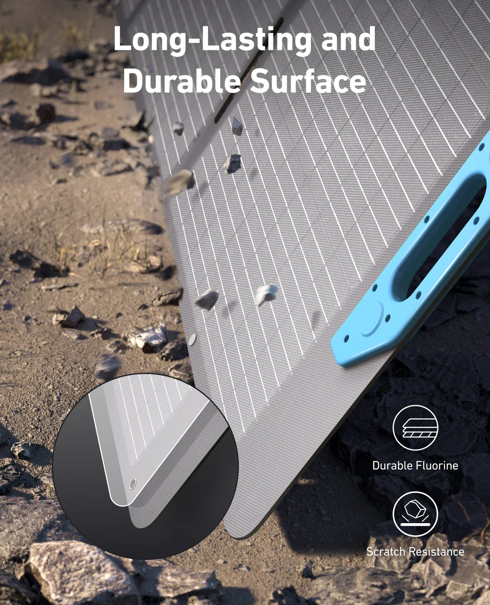
Campers who rely on solar learn quickly that mobility influences output. Moving between trail rest areas, riverbanks, ridge tops, and open meadows gives campers more opportunities to expose the panel to strong light. A portable panel such as the PS200 makes this mobile charging style practical because it folds compactly and withstands rugged movement thanks to its durable, waterproof design. Its long unfolded surface also captures strong light even when placed briefly during breaks. Mobility becomes a powerful charging habit because it transforms small pockets of sunlight into meaningful energy. With careful placement and movement, campers turn outdoor travel into a continuous charging journey using one camping solar panel as a reliable energy partner.
Conclusion
Camp solar panels work best when campers adopt habits that follow the natural flow of sunlight. Setting up early, adjusting the panel throughout the day, and prioritizing peak-sun-hour charging help maximize output. Power management habits—such as prioritizing essential devices, reducing idle loads, and staying mobile—strengthen the effect further. A versatile model like the Anker SOLIX PS200 Portable Solar Panel makes these habits easier by offering strong conversion efficiency, adjustable angles, durable weather protection, and a portable design suited for an active outdoor lifestyle. When campers develop charging routines that complement the way sunlight behaves, they gain dependable off-grid power and a smoother, more confident camping experience.