What to Do If Your Solar Panels Stop Working Properly?
Solar panels are designed to work quietly and reliably for decades, which is why a sudden drop in performance can feel frustrating and confusing. Many homeowners only notice a problem when their electricity bill rises, or their monitoring app shows lower output than usual. The good news is that most solar issues are traceable and often fixable without replacing the entire system. From simple breaker checks to more technical inverter faults, there are clear steps that help narrow down the cause. Acting methodically prevents unnecessary service calls and reduces downtime. In this article, practical steps are explained to help identify, troubleshoot, and decide whether repair or upgrade is the right move.
1. Quick Checks You Can Do Now
Inspect Inverter Display for Error Codes
The inverter is often called the “brain” of a solar system because it converts panel-generated DC electricity into usable AC power for the home. When solar panels stop producing properly, the inverter display is one of the first places to check. Many modern inverters show error codes or warning lights that indicate specific problems. A flashing red light, for example, may signal a grid issue, overheating, or internal fault. Taking note of the code and checking the manufacturer’s manual often provides immediate clarity. In many cases, a simple reset restores normal operation without further intervention.
Verify Breakers and Disconnect Switches
Solar systems include dedicated breakers and disconnect switches for safety. If output suddenly drops to zero, a tripped breaker may be the cause. Electrical panels sometimes trip during storms, power surges, or maintenance work. Carefully inspecting both the main electrical panel and the solar disconnect switch can reveal whether power flow has been interrupted. Resetting a breaker should only be done if it is safe and no visible damage is present. This straightforward check solves more issues than many homeowners expect.
Rule Out Utility Grid Outages First
Solar systems connected to the grid automatically shut down during utility outages for safety reasons. This feature protects line workers and prevents backfeeding electricity into damaged power lines. If the neighborhood is experiencing a blackout, the solar system may appear to have stopped working even though it is functioning correctly. Checking whether nearby homes have power can quickly clarify the situation. Once grid power returns, the solar system typically restarts on its own. Understanding this safety feature avoids unnecessary concern during temporary outages.
2. Look for Physical and Environmental Issues
Physical factors often affect solar performance more than homeowners realize. Dirt, dust, bird droppings, and fallen leaves can block sunlight and reduce output gradually over time. Heavy pollen seasons or nearby construction may accelerate buildup. In addition, new tree growth can create shading that did not exist when the system was installed. Even partial shading on a single panel can reduce the performance of an entire string. A visual inspection from the ground or by a professional can identify these environmental causes before assuming equipment failure.
3. Monitor and Compare Performance
Use Your App to Track Daily Output
Most modern solar systems include monitoring apps that show real-time and historical energy production. Reviewing daily output patterns helps identify whether the issue is sudden or gradual. A sharp drop may indicate equipment failure, while a steady decline may suggest dirt or shading. Comparing production on sunny days versus cloudy days provides useful context. Consistency is key, so observing output over several days gives a clearer picture. Monitoring tools empower homeowners to make informed decisions rather than relying on guesswork.
Compare to Same Month Last Year
Seasonal differences naturally affect solar production, so comparing current output to the same month last year offers a fair benchmark. Summer typically produces more electricity than winter due to longer daylight hours. If this year’s July output is significantly lower than last July under similar weather conditions, a technical issue may exist. Minor fluctuations are normal, but large percentage drops deserve attention. Keeping annual records simplifies this comparison process. Historical data provides objective evidence before scheduling service.
4. When to Consider Repairs
Faulty Inverters Can Often Be Replaced
Inverters generally have shorter lifespans than solar panels. If troubleshooting points to inverter failure, replacement is often straightforward. A qualified technician can swap the unit without disturbing the entire panel array. Costs vary depending on system size and warranty coverage. Replacing only the inverter restores system performance in many cases. This targeted repair is usually more economical than replacing panels prematurely.
Damaged Panels May Need Individual Swapping
Solar panels are durable but not indestructible. Severe hail, fallen branches, or impact damage can crack glass surfaces or damage internal cells. If one panel underperforms significantly compared to others, individual replacement may be possible. Technicians use performance testing equipment to identify underperforming modules. Swapping a single panel often restores overall output without major reconstruction. This selective approach keeps repair costs manageable.
Wiring Issues Require a Licensed Electrician
Loose connections, corrosion, or rodent damage can disrupt electrical flow. Wiring faults may cause intermittent performance or safety hazards. Because solar systems operate at high voltage, licensed electricians should handle wiring inspections and repairs. Attempting DIY electrical fixes can be dangerous and may void warranties. Professional inspection ensures compliance with safety standards. Addressing wiring issues promptly prevents more serious complications.
See also: How Technology Governance Works
5. When It’s Time to Upgrade
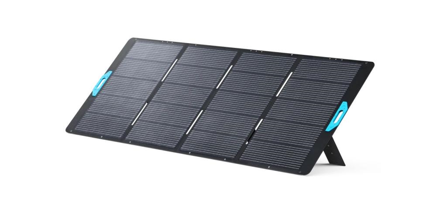
Solar systems installed many years ago may no longer meet current household energy demands. Adding electric vehicles, home offices, or heat pumps increases electricity consumption beyond original estimates. In such cases, upgrading panels or expanding capacity may be more practical than repeated repairs. Modern panels solar home systems often feature higher efficiency and improved durability compared to older models. Some newer portable and modular options, such as Anker Solar Panels, incorporate high-efficiency cells and rugged designs that adapt well to evolving household setups. Upgrading can also prepare a home for battery storage integration and greater energy independence.
Conclusion
Solar panel performance issues are often manageable with systematic troubleshooting. Simple checks of inverters, breakers, and grid status resolve many apparent failures quickly. Monitoring tools and seasonal comparisons help distinguish normal variation from genuine technical problems. When repairs are needed, targeted solutions such as inverter replacement or panel swapping usually restore functionality. In cases where energy needs have grown, upgrading to newer technology may provide long-term benefits. With careful evaluation and timely action, solar systems can continue delivering reliable power for many years.