How Do Solar Generators Perform During Long Blackouts?
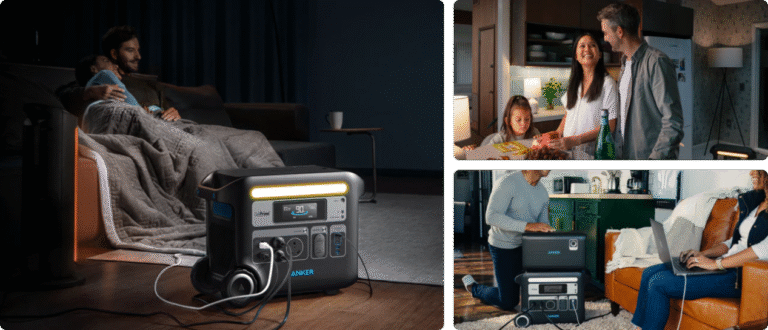
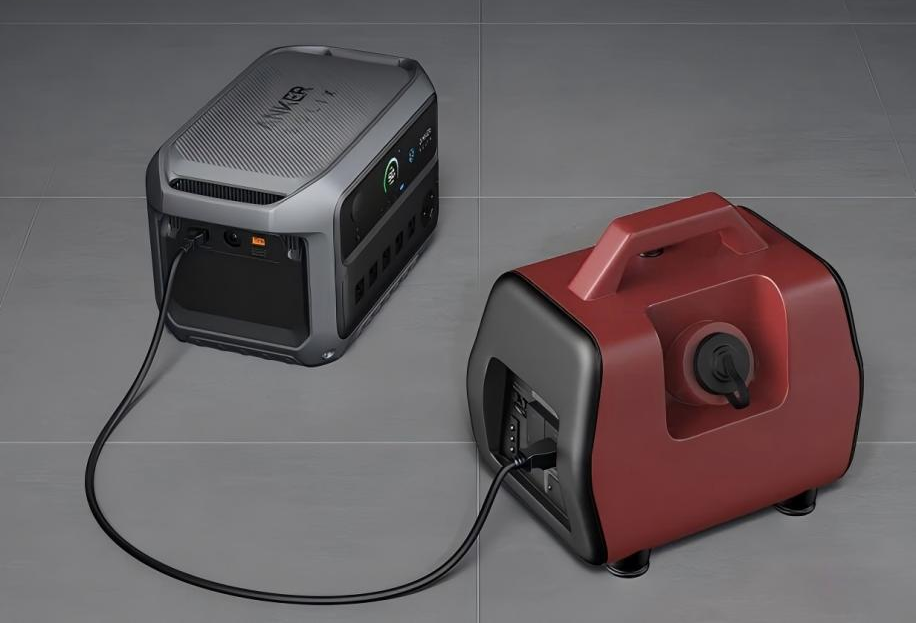
Extended blackouts push every power solution to its limits, including a solar power generator, which must balance storage capacity, sunlight availability, load management, and day-to-day efficiency. Unlike fuel generators that depend on stored gasoline or propane, solar units rely on weather and daylight cycles, making performance during multi-day outages a blend of planning and system capability. Homes that use solar generators through long disruptions often discover new habits—strategic charging windows, appliance prioritization, and battery preservation techniques. Systems such as the Anker SOLIX C2000 Gen 2 paired with a 400W solar panel demonstrate how modern designs maintain consistent runtime through low idle consumption, high charging efficiency, and adjustable panel angles that maximize generation across changing conditions.
How Solar Charging Cycles Shape Performance During Days-Long Outages?
Sun Exposure Windows Dictate How Much Power You Can Recover Each Day
During prolonged blackouts, users quickly learn that their solar generator’s performance depends on how effectively they collect sunlight during peak hours. Cloud cover, winter daylight, or shaded homes may reduce harvest significantly, so maximizing direct exposure becomes essential. This is where adjustable-angle panels like the PS400 provide a practical advantage, allowing users to pivot between multiple angle settings to match morning, noon, and afternoon light. Even without perfect conditions, consistent daily charging windows build enough energy to keep essentials running. Over multiple days, the difference between quick placement and fine-tuned panel alignment often determines how much usable power remains each night.
Battery Capacity Becomes the Core Limiting Factor
A long blackout forces users to stretch every watt. Systems with higher capacity or expandable modules provide far more resilience because they store excess energy during strong sunlight periods for use during cloudy intervals. The C2000 Gen 2’s ability to expand up to 4kWh gives households a clear advantage, especially when powering refrigerators, communication devices, or small medical equipment. This storage buffer becomes crucial when consecutive low-sunlight days occur. Even during weaker charging cycles, having substantial reserve capacity allows the home to maintain predictable routines without sacrificing critical loads.
Appliance Prioritization Determines Whether Power Lasts or Drains
Long outages change how people use energy. Appliances that once ran freely now operate under conscious control—cycling refrigeration time, unplugging unnecessary devices, and staggering high-draw equipment throughout the day. Solar generators handle these adjustments well because their stable inverter output maintains consistent power delivery even under varying loads. With 2,400W rated and 4,000W peak power, the C2000 Gen 2 supports demanding appliances responsibly, but users still benefit from ranking loads by priority. Over time, disciplined consumption habits create a sustainable rhythm that allows the generator to keep delivering through extended utility failures.
How System Design Supports Reliable Power Through Multi-Day Events?
Efficient Idle Operation Extends Real Runtime Dramatically
In long blackouts, a solar power generator spends as much time waiting as it does actively powering devices. High idle consumption shortens usable battery life quickly, but systems that minimize standby draw preserve energy for meaningful tasks. The C2000 Gen 2 consumes only 9W at idle, which significantly reduces overnight depletion when powering intermittent appliances. This gives users a stable starting point for the next day’s solar harvest and prevents cascading energy shortages that typically appear on day two or three of an outage.
Weatherproof Solar Panels Maintain Output Despite Harsh Conditions
Extended blackouts often follow storms, hurricanes, or winter events—conditions that can expose panels to moisture, debris, and rough handling. Durable, sealed solar panels continue producing power even when environmental conditions are less than ideal. The PS400 panel’s IP67 protection supports consistent performance after heavy rain, making it compatible with the unpredictable weather patterns that usually accompany prolonged outages. This reliability prevents outages from spiraling into total power loss by ensuring that each new day offers another opportunity to recharge.
See also: How Technology Enables Smarter Organizations
Fast Recharge Rates Help Recover from Low-Battery Situations
Rapid recharge capability dramatically influences long-term blackout performance. When a generator can reach 80% or full capacity quickly, a single strong sunlight interval becomes enough to restore essential power supply. The C2000 Gen 2 recharges notably fast through solar or AC when available, giving users flexibility to recover after periods of heavy usage or low generation. This quick turnaround is particularly valuable during winter or cloudy seasons, when peak sun hours may be limited to short windows and every minute of strong light matters.

Conclusion
Solar generators can sustain households through long blackouts when used strategically and paired with efficient panels and storage systems. Their performance hinges on daily light conditions, user habits, and system design factors such as idle draw, inverter stability, storage capacity, and solar efficiency. The Anker SOLIX C2000 Gen 2 with its 400W panel illustrates how modern solar generators overcome many practical challenges through high conversion efficiency, adjustable sunlight capture, weatherproof construction, and expandable energy reserves. By understanding how sunlight, charging cycles, and load management interact across multiple days, users can build a reliable, sustainable backup power plan capable of enduring extended disruptions while maintaining essential household functions.