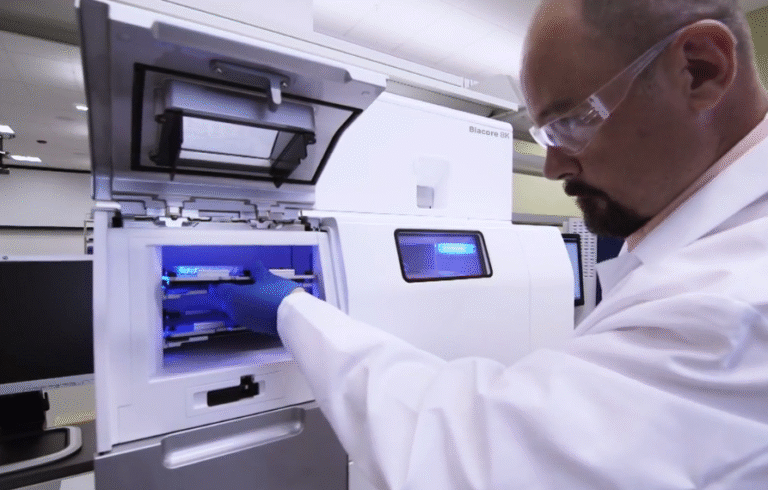

How Technology Improves Clinical Accuracy
Technology plays a critical role in enhancing clinical accuracy through various advancements. Diagnostic tools, such as MRI and CT scans, provide intricate internal images that aid in precise diagnosis. Electronic health records (EHRs) compile comprehensive patient histories, minimizing the risk of medication errors. Furthermore, predictive algorithms leverage vast datasets to identify potential health risks. As these innovations evolve, their impact on clinical practices warrants closer examination to understand the full scope of their benefits.
How Diagnostic Tools Improve Clinical Accuracy
As advancements in technology continue to evolve, diagnostic tools play a pivotal role in enhancing clinical accuracy.
Diagnostic imaging methods, such as MRI and CT scans, enable detailed visualization of internal structures, while predictive algorithms analyze vast datasets to forecast potential health issues.
Together, these tools empower healthcare professionals, allowing for informed decision-making and improved patient outcomes, ultimately fostering a more efficient healthcare system.
See also: How Technology Governance Works
How Electronic Health Records Help Prevent Patient Care Mistakes
Electronic Health Records (EHRs) significantly mitigate the risk of patient care mistakes by providing comprehensive, real-time access to crucial patient information.
By facilitating patient data integration, EHRs ensure that healthcare providers possess a complete view of a patient’s history.
Additionally, streamlined medication reconciliation processes reduce the likelihood of errors, enhancing patient safety and promoting informed clinical decisions within healthcare settings.
The Role of Data Analytics in Clinical Decision-Making?
How can data analytics transform clinical decision-making?
By leveraging predictive modeling, healthcare professionals can identify trends and outcomes that inform patient care strategies.
Decision support systems, enhanced by data analytics, provide actionable insights, allowing clinicians to make informed choices based on comprehensive data analysis.
This integration fosters precision in treatment plans, ultimately improving patient outcomes and optimizing resource allocation within clinical settings.
Emerging Technologies Shaping the Future of Healthcare
While the healthcare landscape continues to evolve, emerging technologies are poised to significantly reshape patient care and operational efficiency.
Telehealth advancements facilitate remote consultations, expanding access to care, while wearable devices enable continuous health monitoring, enhancing data collection.
These innovations not only empower patients but also support clinicians in making informed decisions, ultimately driving improved clinical accuracy and patient outcomes in an increasingly digital health environment.
Conclusion
In conclusion, the integration of advanced diagnostic tools, electronic health records, and data analytics is transforming clinical accuracy, akin to how the invention of the printing press revolutionized knowledge dissemination. These technologies not only enhance the precision of medical decision-making but also significantly mitigate the risks associated with patient care. As emerging innovations continue to shape the healthcare landscape, the potential for improved patient outcomes remains boundless, underscoring the critical role of technology in modern medicine.